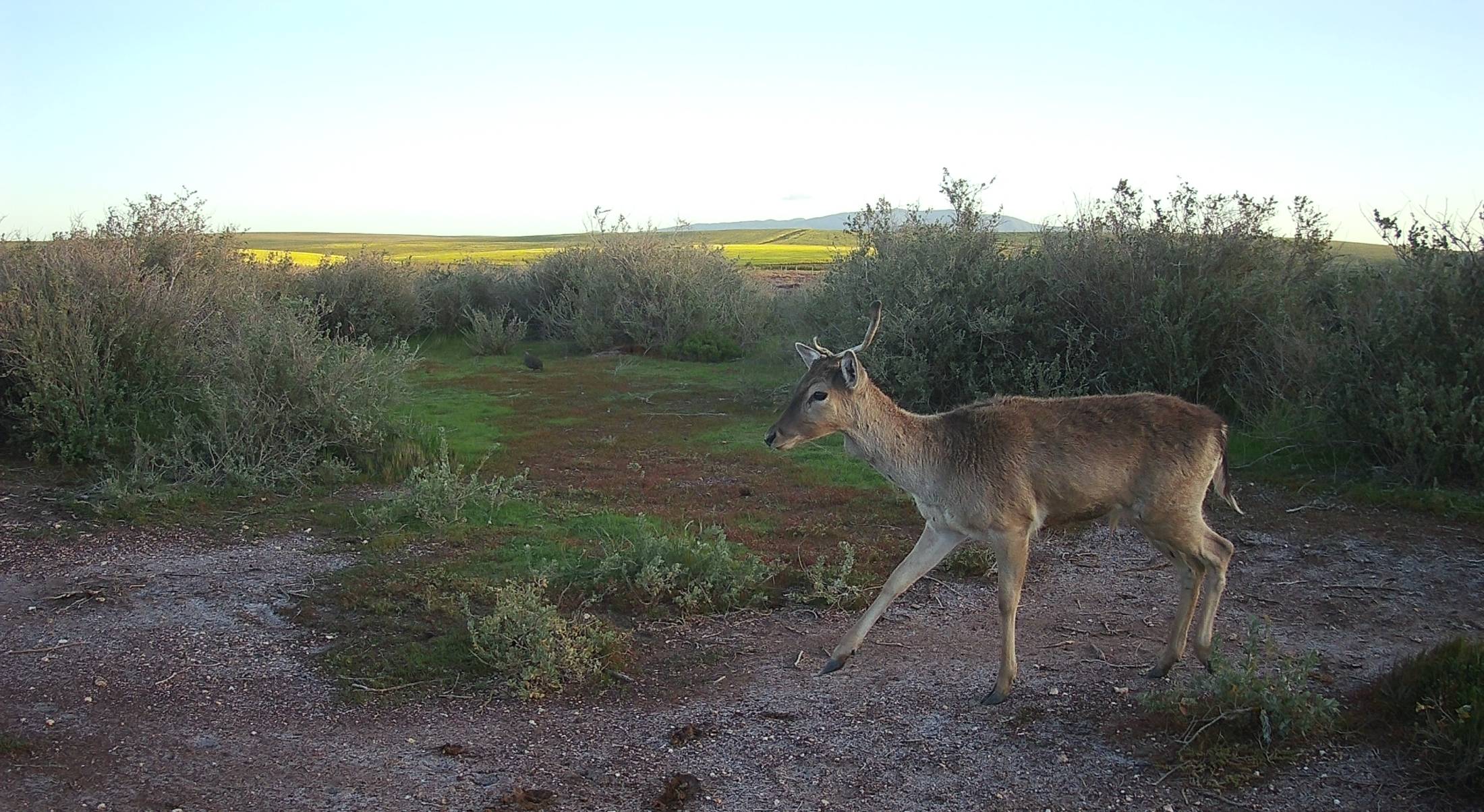
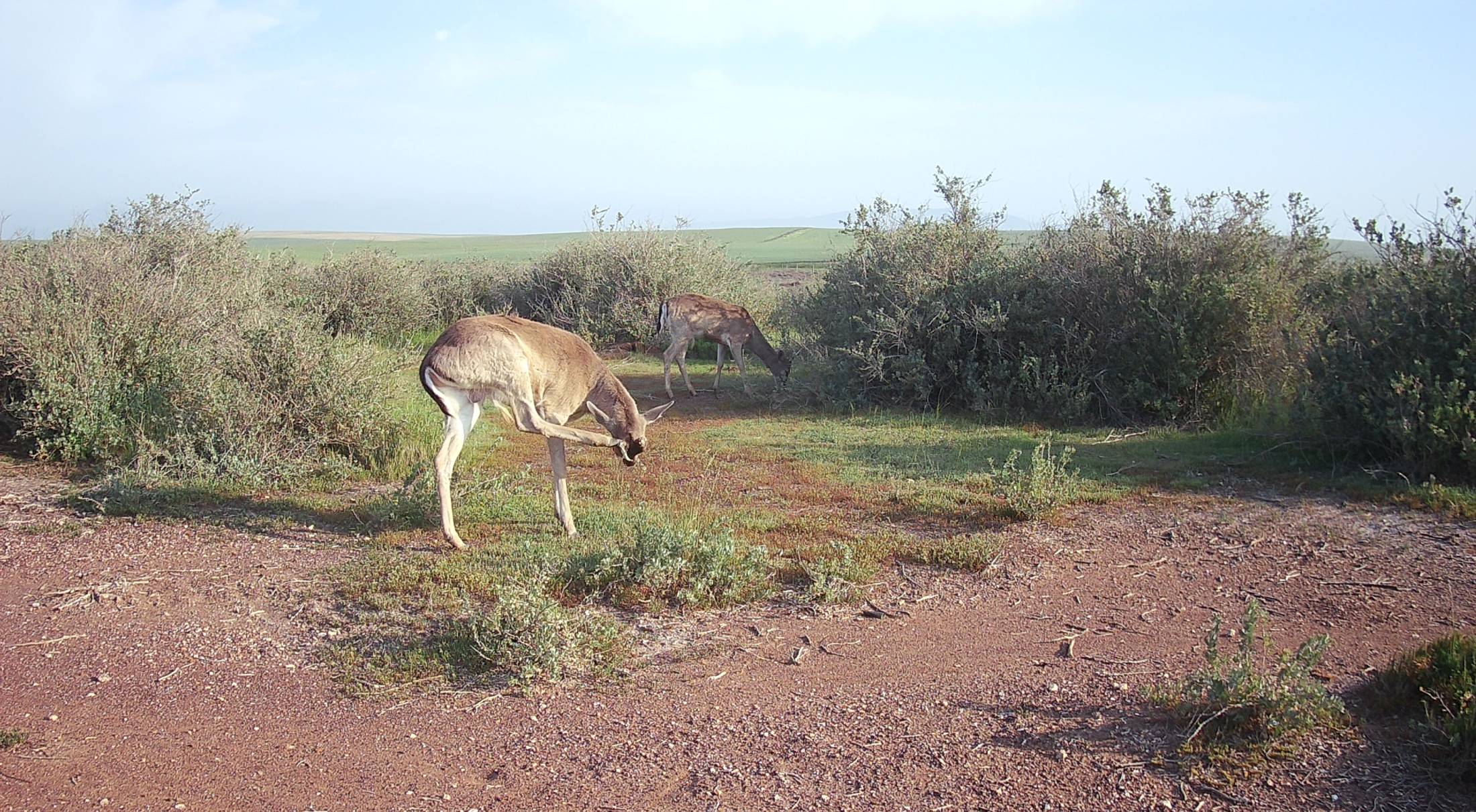
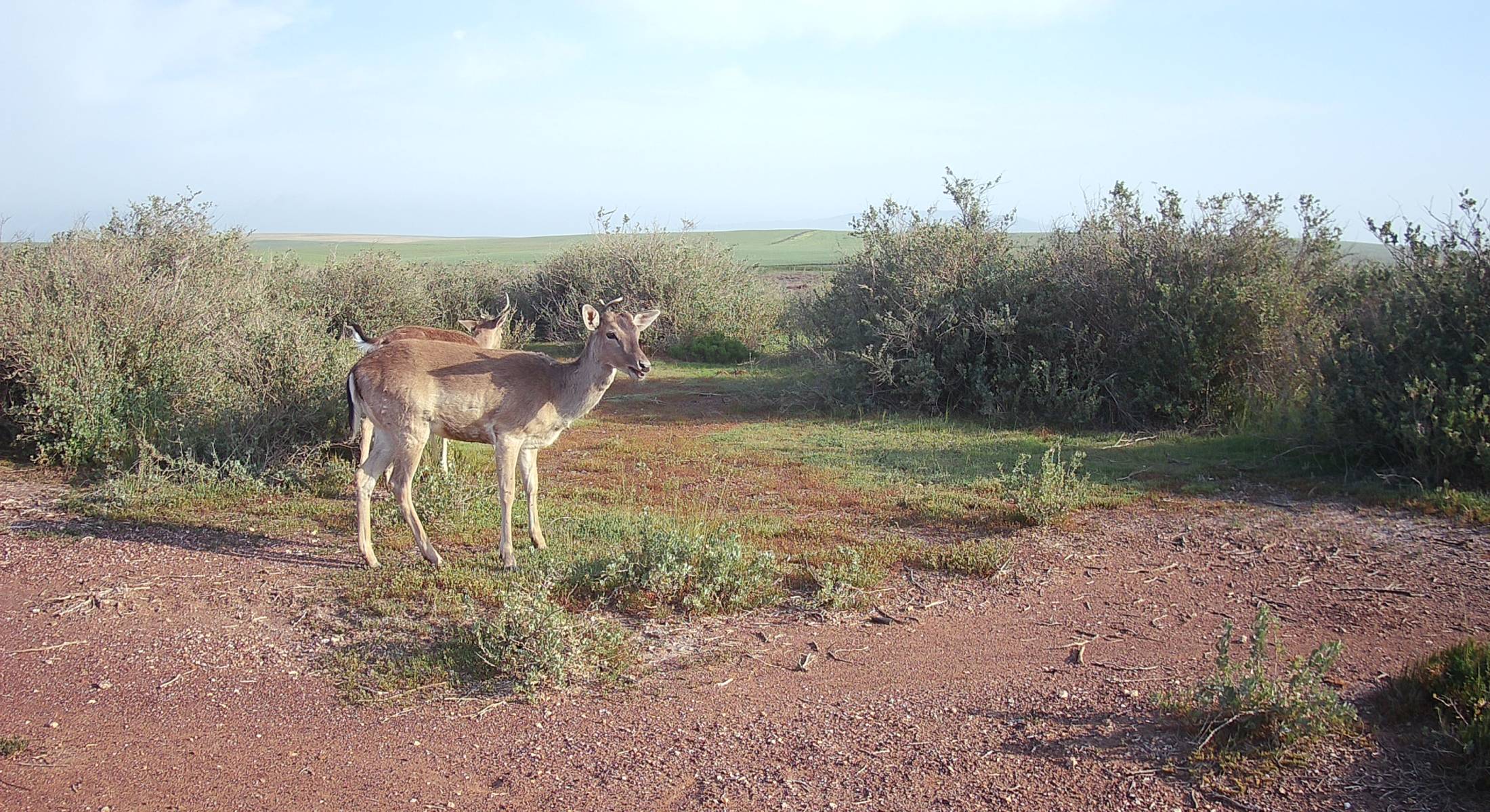
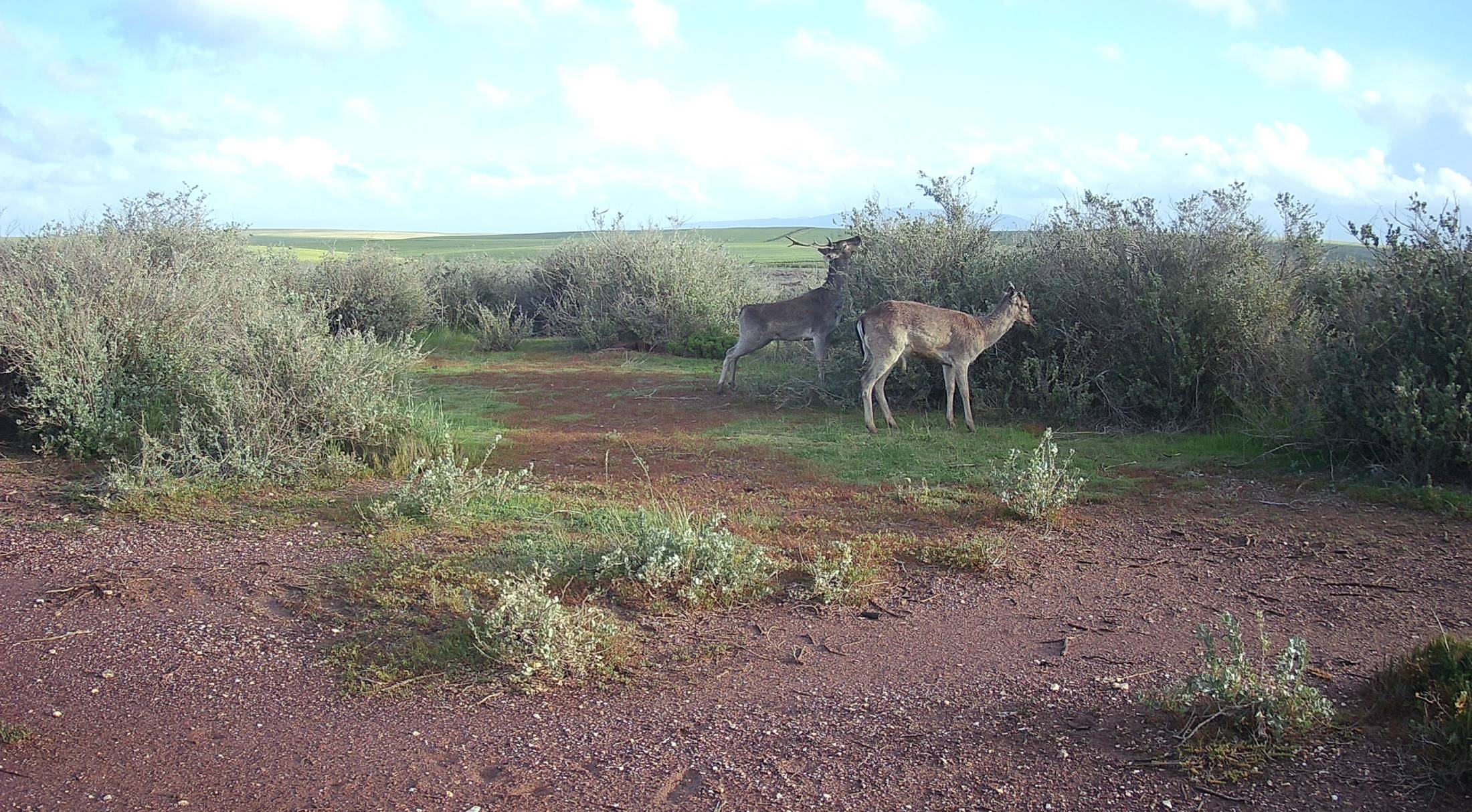
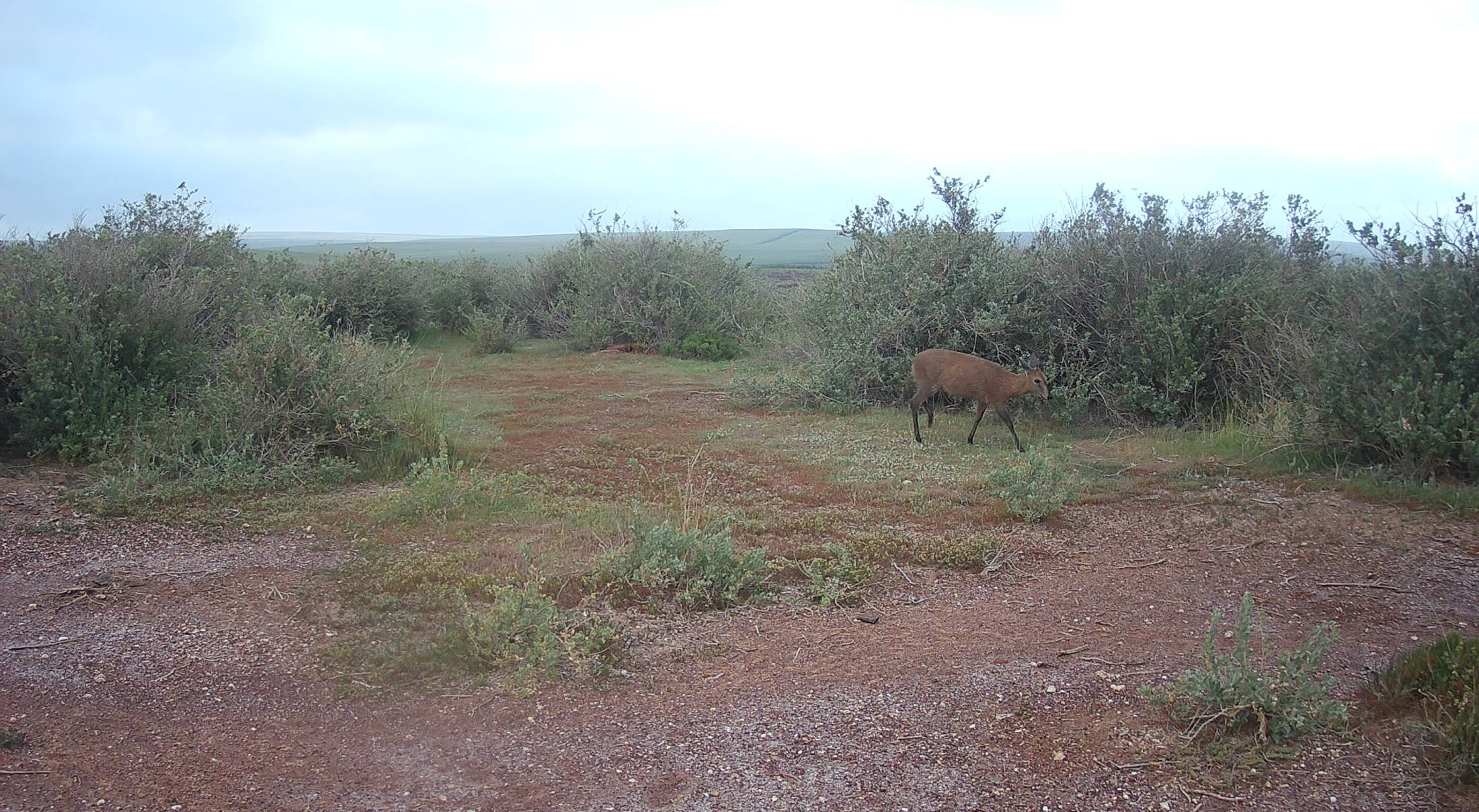
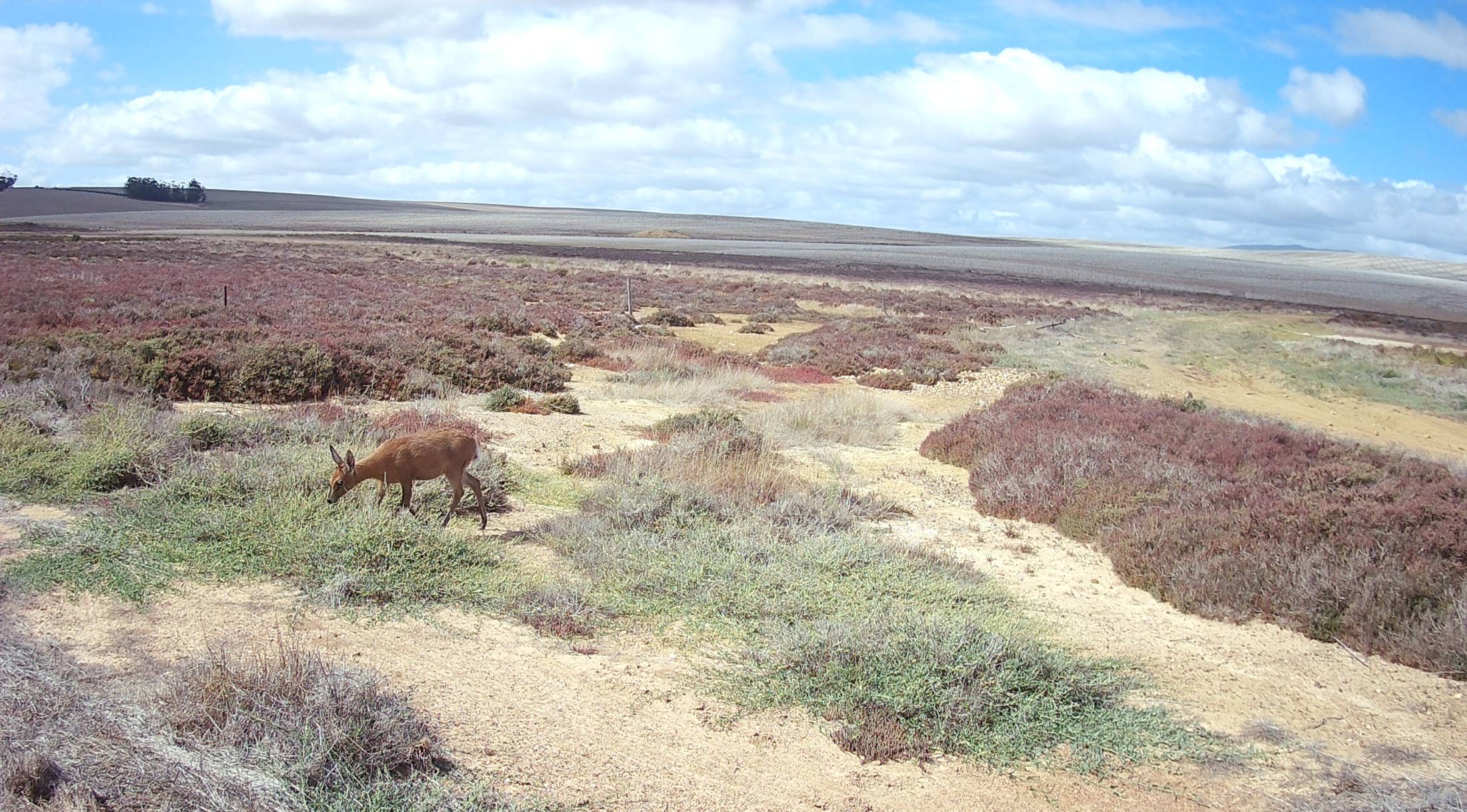
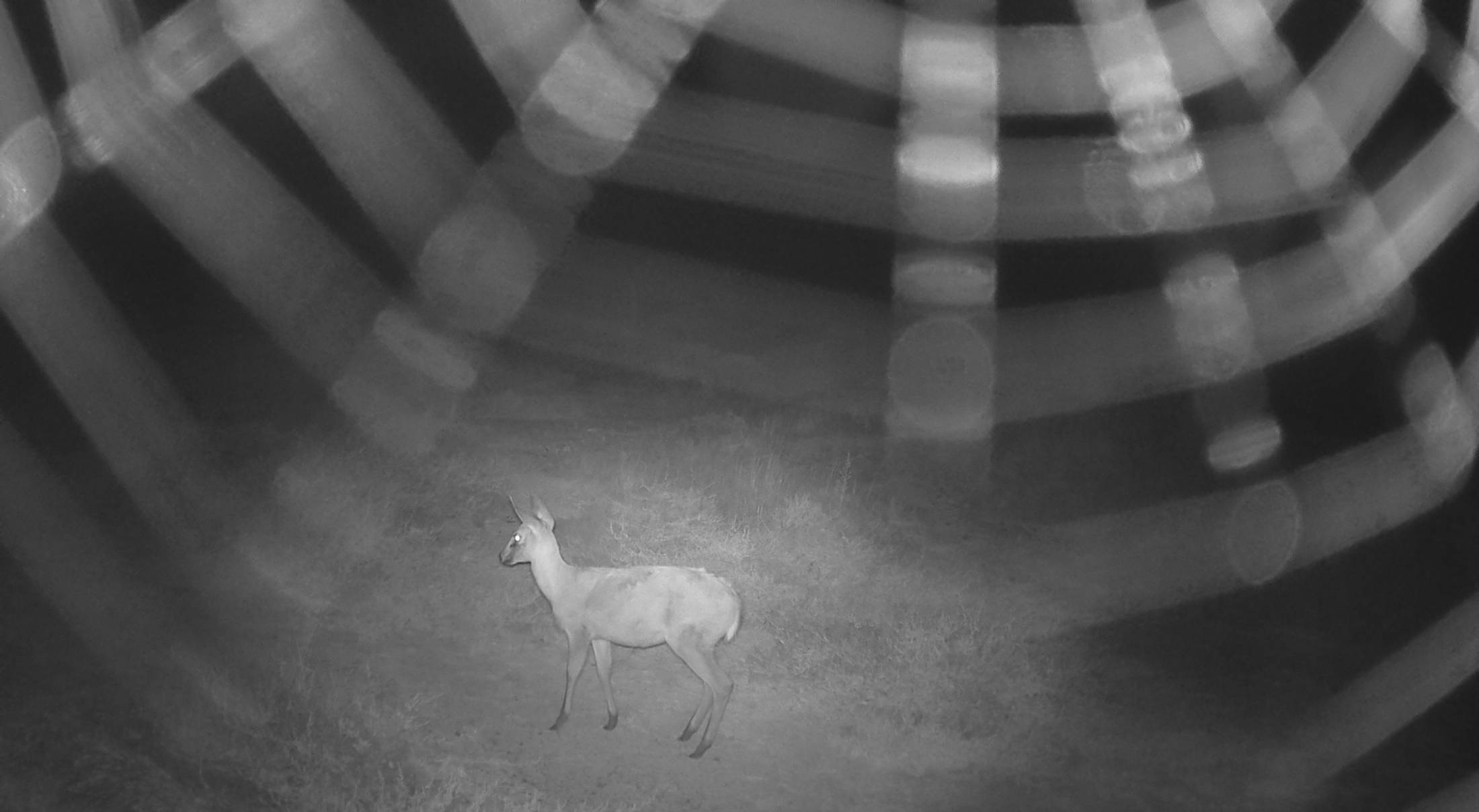
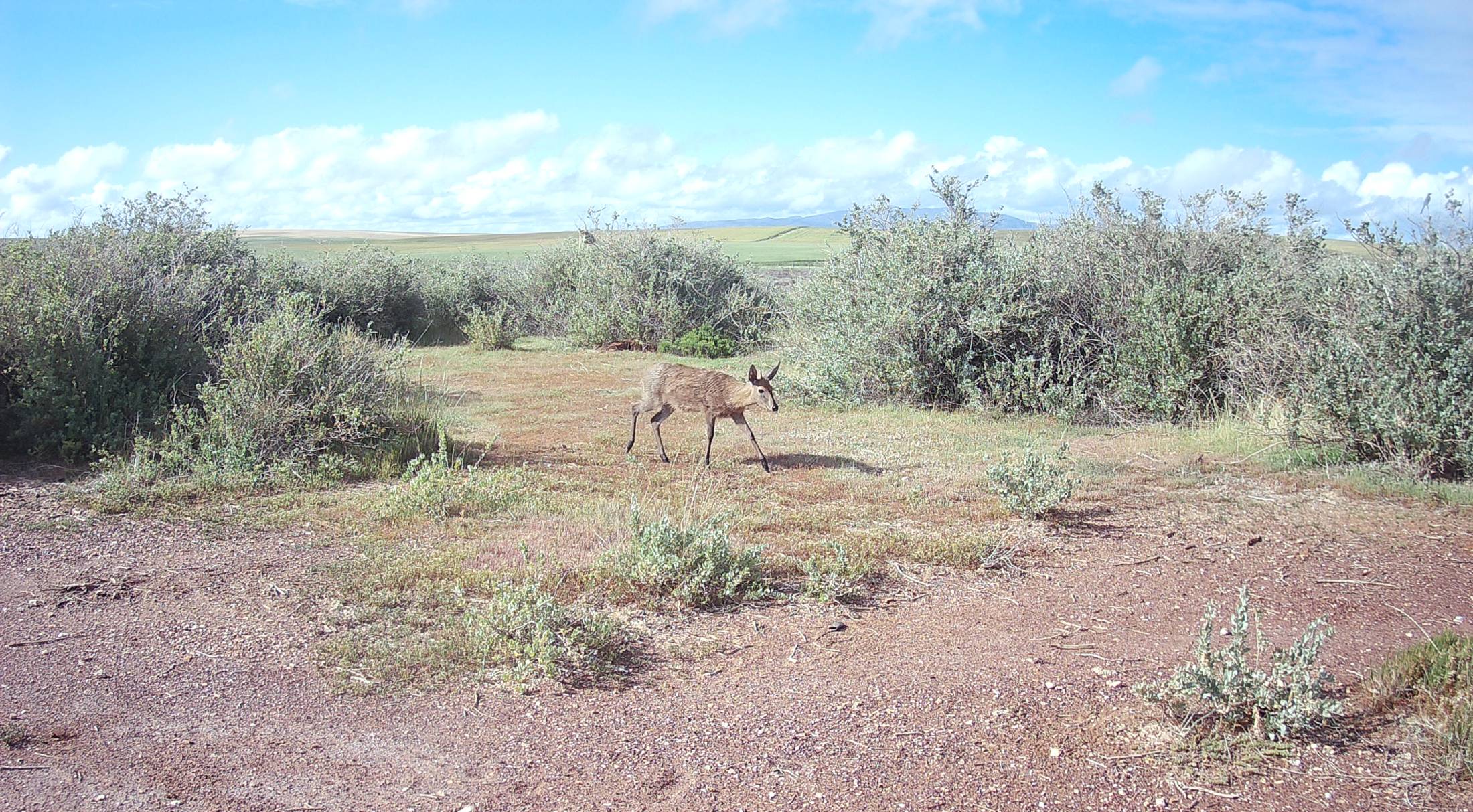
COMMON BUCK
RIVIERSONDEREND ANTELOPE
renosterveld supports a remarkable
diversity of antelope
RIVIERSONDEREND ANTELOPE
BUCK
The most widespread antelope in the Overberg
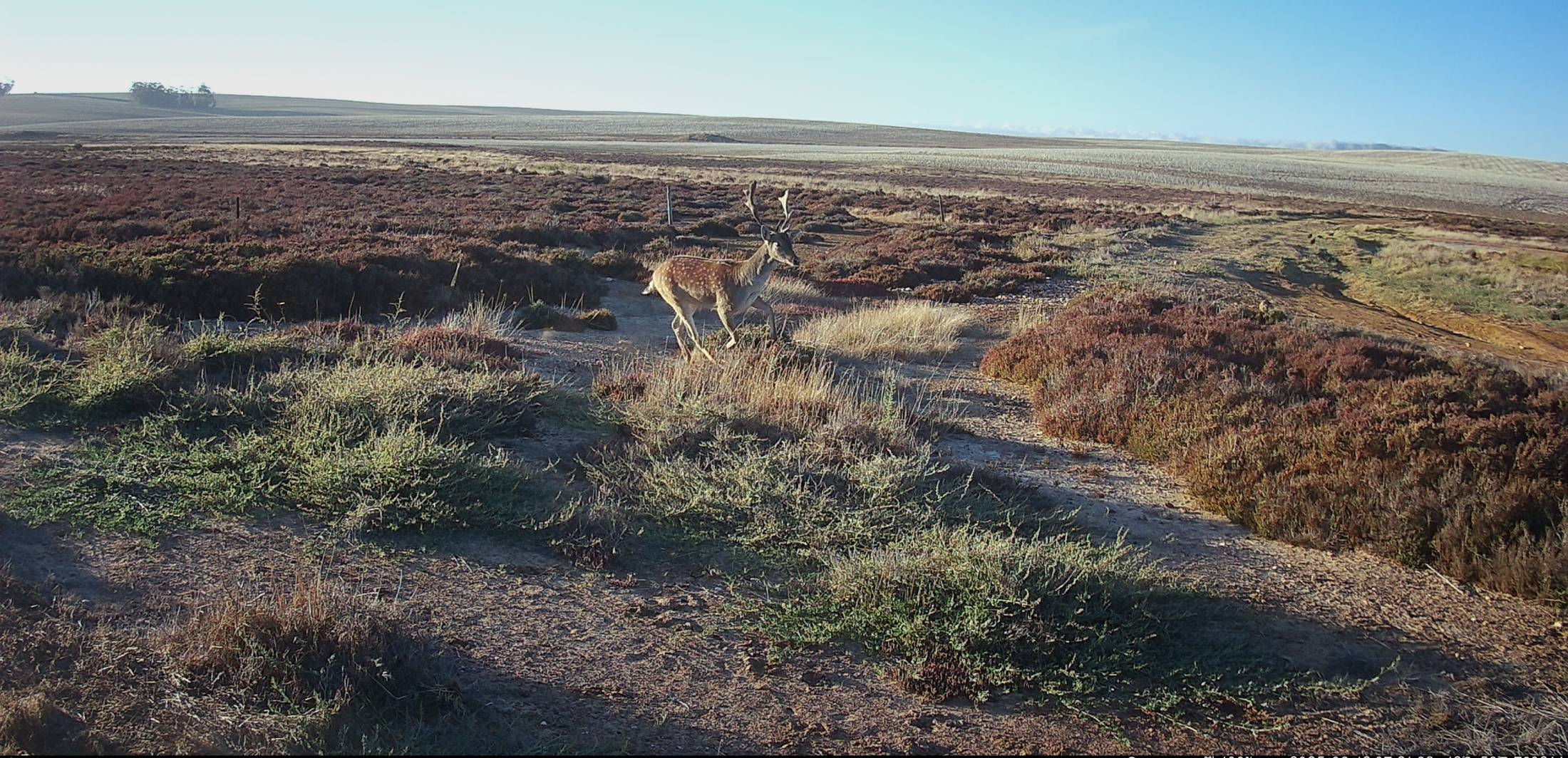
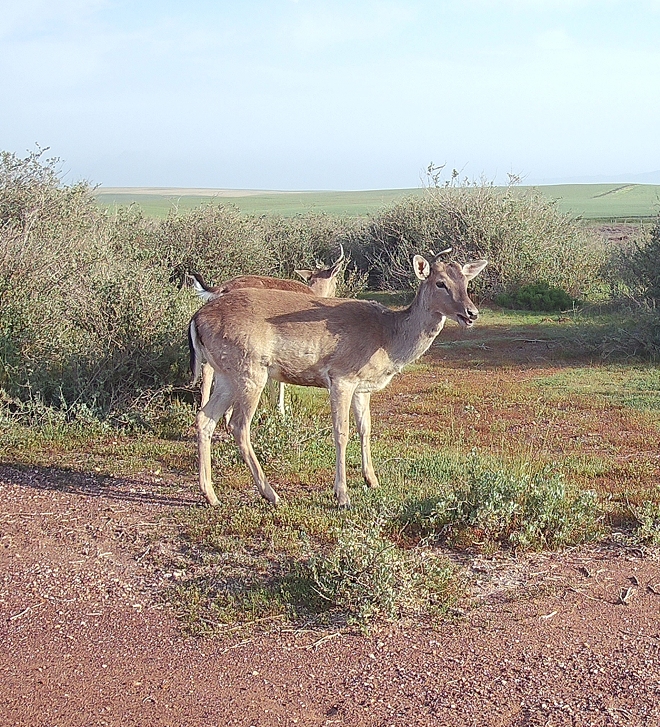
From the diminutive Steenbok freezing motionless in a wheat field to the towering Eland grazing the open plains, the Overberg's mosaic of fynbos, renosterveld, and farmland supports one of the richest antelope communities in South Africa. Species like Bontebok, Cape Grysbok,
Common Duiker, Steenbok, Klipspringer, and Eland each occupy their own niche across the region's varied terrain — offering photographers and nature lovers alike a remarkable diversity of subjects, behaviours, and habitats within a single landscape.
A Conservation Comeback Story – The Bontebok, now found throughout the region, was once reduced to fewer than 20 individuals in the 1800s, saved by a handful of Bredasdorp farmers. Bontebok National Park remains the species' ancestral stronghold and one of South Africa's earliest conservation triumphs.
Masters of Their Terrain – Each species has evolved for a specific niche: the Klipspringer walks on the very tips of its hooves to navigate sheer rock faces, while the Eland — Africa's largest antelope at up to 900kg — can still clear a 1.5-metre fence from a standing start.
Water-Wise Survivors – Many Overberg buck, including Steenbok, rarely if ever need to drink, drawing all their moisture from browse and roots — a crucial adaptation for surviving the region's dry summer months.
Solitary by Design – Unlike herd animals elsewhere in Africa, most Overberg buck — Grysbok, Duiker, and Steenbok among them — are largely solitary or pair-bonded rather than herding, making sightings intimate, individual encounters rather than large group gatherings.
Endemic Treasures – Both the Bontebok and Cape Grysbok are found nowhere else on Earth outside the Western Cape's fynbos and renosterveld biomes, making the Overberg a globally unique window into these species' world.